
Maximizing the Lifespan of UV-Curable Photopolymers
페이지 정보
작성자 Jannie 작성일26-03-05 14:29 조회42회 댓글0건본문
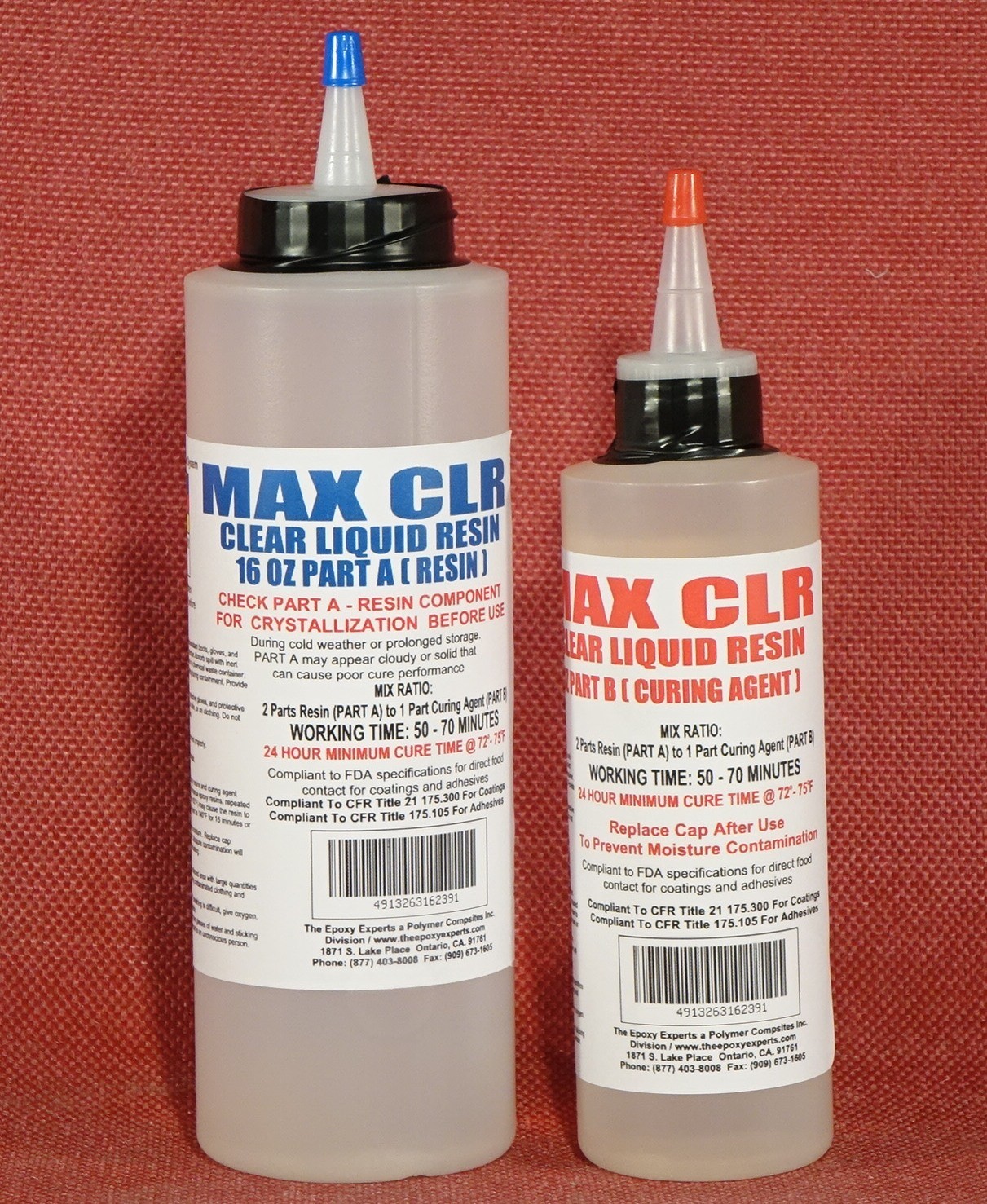
Ensuring long-term stability of UV resins is vital for producers and technicians who require reliable curing results and reduced material loss. Photopolymer resins degrade easily when exposed to such as light, temperature, and moisture, which can trigger unwanted polymerization or chemical breakdown.
One of the most effective strategies is to store the resins in a cool, dark environment. Refrigeration at temperatures between 5 and 15 degrees Celsius can markedly reduce degradation pathways. Containers must be hermetically sealed to prevent moisture absorption, which can distort flow properties and polymerization kinetics.
Another critical step is to use opaque or amber-colored containers that absorb harmful wavelengths. Routine fluorescent or LED lighting can trigger slow polymerization over time, especially in non-opaque vessels. Clearly mark each container with its receipt and opening date so stock rotation follows strict chronological order. Never place containers near windows or fluorescent lighting during handling or storage.
Minimizing air exposure is also key. When dispensing liquid polyester resin, use clean tools and seal containers immediately after use. Consider using nitrogen purging for industrial reservoirs to displace oxygen, which can accelerate oxidative degradation. Some formulations benefit from the addition of stabilizers or inhibitors such as quinone derivatives or hindered amines, which suppress unwanted polymerization without affecting the intended UV curing process.
Regular quality checks are recommended. Monitor viscosity, color, and curing speed over time. Should discoloration occur, experiences unexplained viscosity increase, or does not harden with typical irradiation, it is likely compromised and must be discarded. Always follow the manufacturer's storage guidelines, as formulations differ significantly in environmental vulnerability.
Finally, maintain a clean storage area free from contaminants like grit, cleaning fluids, or foreign substances. Contaminants may cause erratic curing or decomposition. Using a multi-layered approach of storage, handling, and surveillance, industries can significantly prolong material viability and reduce costly waste.
댓글목록
등록된 댓글이 없습니다.

