
The Comfort and Culture of Armchairs: A Deep Dive into Their Evolution…
페이지 정보
작성자 Tera 작성일26-03-02 14:03 조회57회 댓글0건본문
Armchairs are more than just furniture; they are a cultural artifact that reflects the evolution of comfort, design, and social structure over centuries. This observational research article explores the multifaceted role of luxyry armchairs in society, their design evolution, and quirky chairs their impact on modern living spaces.
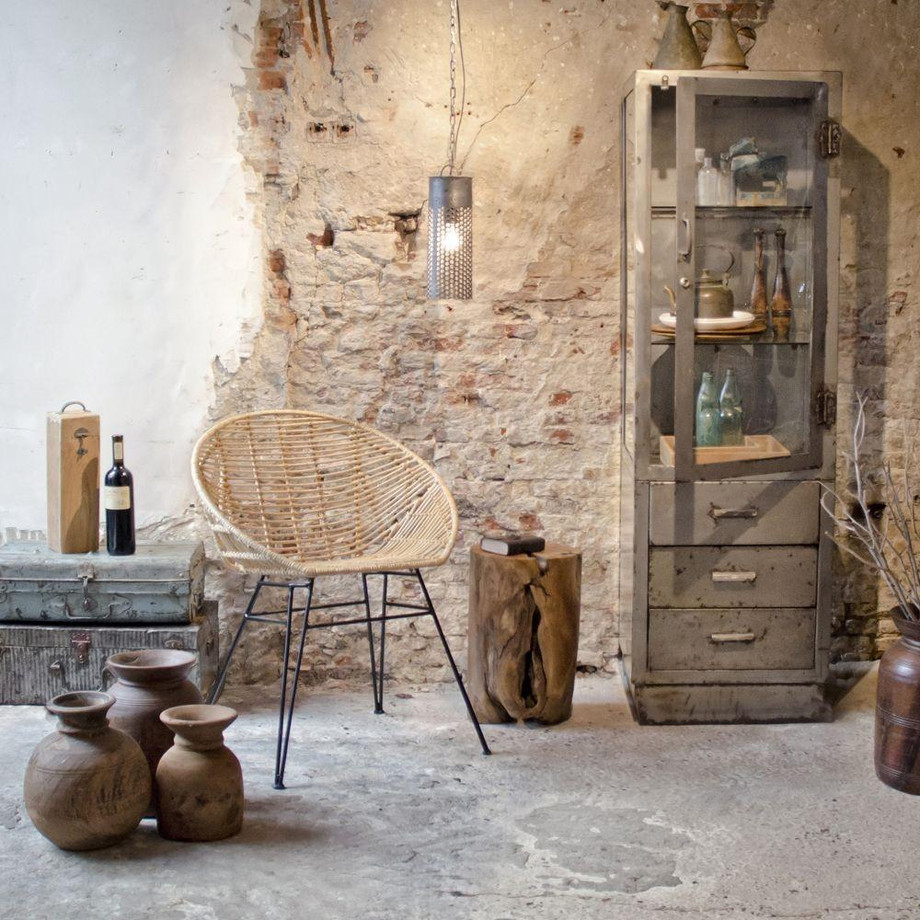
The armchair, often seen as a staple in households and offices, has a history that dates back to the ancient civilizations of Egypt and Rome.
Originally, these seats were reserved for royalty or the elite, symbolizing status and authority. This distinction is crucial in understanding the armchair's evolution, as it shifted from a symbol of power to a common household item accessible to the general population.
In the Middle Ages, the armchair's design became more intricate, featuring wood carvings and upholstery that reflected the artistic trends of the period.
The Renaissance era further elevated the armchair’s status by enhancing its comfort with the addition of padded seats and backrests. This period also saw the armchair become a focal point in social settings, a trend that continues to influence its role in interiors today.
The 17th and 18th centuries marked a significant transformation in armchair design with the introduction of styles like the Baroque and Rococo. These designs emphasized ornate details and luxurious fabrics, making the armchair a centerpiece in European homes.
The functionality of armchairs also evolved during this time, with the introduction of reclining mechanisms and adjustable backrests in some models, highlighting a shift towards personal comfort.
The Industrial Revolution played a pivotal role in democratizing the armchair. Mass production techniques made armchairs more affordable and accessible, leading to a surge in their popularity. The 19th century also saw the emergence of specialized armchairs, such as the Morris chair, which combined style with adjustable back settings, catering to the growing consumer demand for comfort and functionality.
In the 20th century, the armchair underwent a modern transformation, influenced by minimalist and contemporary design theories. Designers like Eames and Le Corbusier reimagined the armchair, focusing on form, function, and the use of new materials like molded plywood and stainless steel. The mid-20th century also saw the rise of ergonomic design in armchairs, driven by an increased awareness of body posture and the health impacts of seating.
Today, the armchair is not merely a piece of furniture but a statement of personal style and a reflection of technological advancements.
The rise of smart furniture has seen armchairs equipped with features like built-in speakers, USB charging ports, and even massage functions, blending technology with comfort. Moreover, environmental concerns have steered the design towards sustainable materials and production methods, resonating with eco-conscious consumers.
The cultural significance of armchairs extends beyond their physical presence.
In literature and media, the armchair is often depicted as a symbol of relaxation, vintage style armchair introspection, or authority. Think of the iconic image of a psychiatrist’s office, with a patient reclining in a comfortable armchair, or the classic scene of a grandparent narrating stories from an old, cushioned armchair.
댓글목록
등록된 댓글이 없습니다.

